
Chimney problems we find in St. Matthews, Louisville
Documented by David York, Owner
This page is based on 7 completed Chimney Experts inspections in St. Matthews. The photos are from those inspections, and nothing in them identifies a home.
St. Matthews has a lot of brick homes from the 1920s through the early 1960s. The homes we checked here with a known build year went up between 1922 and 1962. Most had a brick fireplace, and two had a chimney flue that vents a gas water heater.
Chimneys this age were built solid, but the top of the chimney takes a beating. Rain, ice and summer heat have been working on these crowns for more than 60 years. Many crowns here were finished with a thin layer of mortar instead of a real poured concrete cap. That thin layer cracks, holds water and lets it soak into the brick and the flue below. Inside, the mortar joints between old clay flue tiles wash out over time.
This page shows what our crew found in 7 St. Matthews inspections, with real photos from those chimneys. We share no names and no addresses.
What we found in 7 St. Matthews inspections
- A crown with no overhang or slope to shed water6 of 7
- A cracked or broken crown5 of 7
- A crown poured tight against the flue tile with no gap5 of 7
- A crown made of mortar instead of poured concrete3 of 7
- Cracked clay flue tiles3 of 7
- Open mortar joints between flue tiles3 of 7
- Worn or missing mortar on the outside brick3 of 7
- Moss or plants growing on the chimney3 of 7
- A rough, uncoated smoke chamber3 of 7
Photos from these inspections
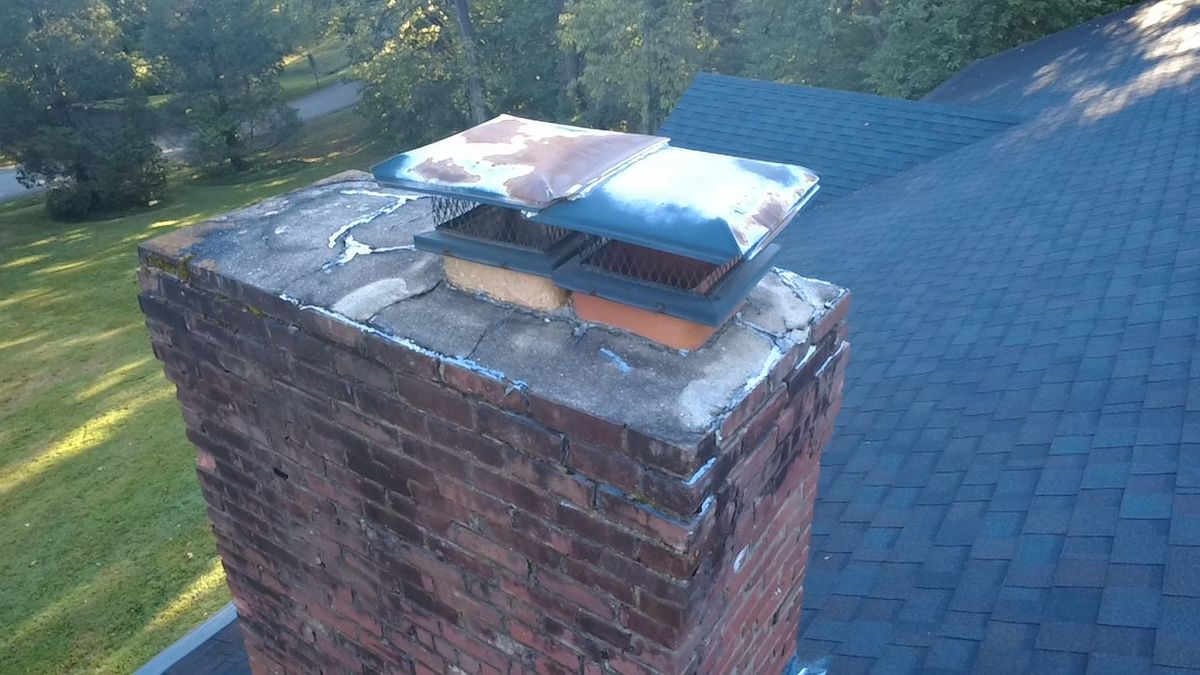
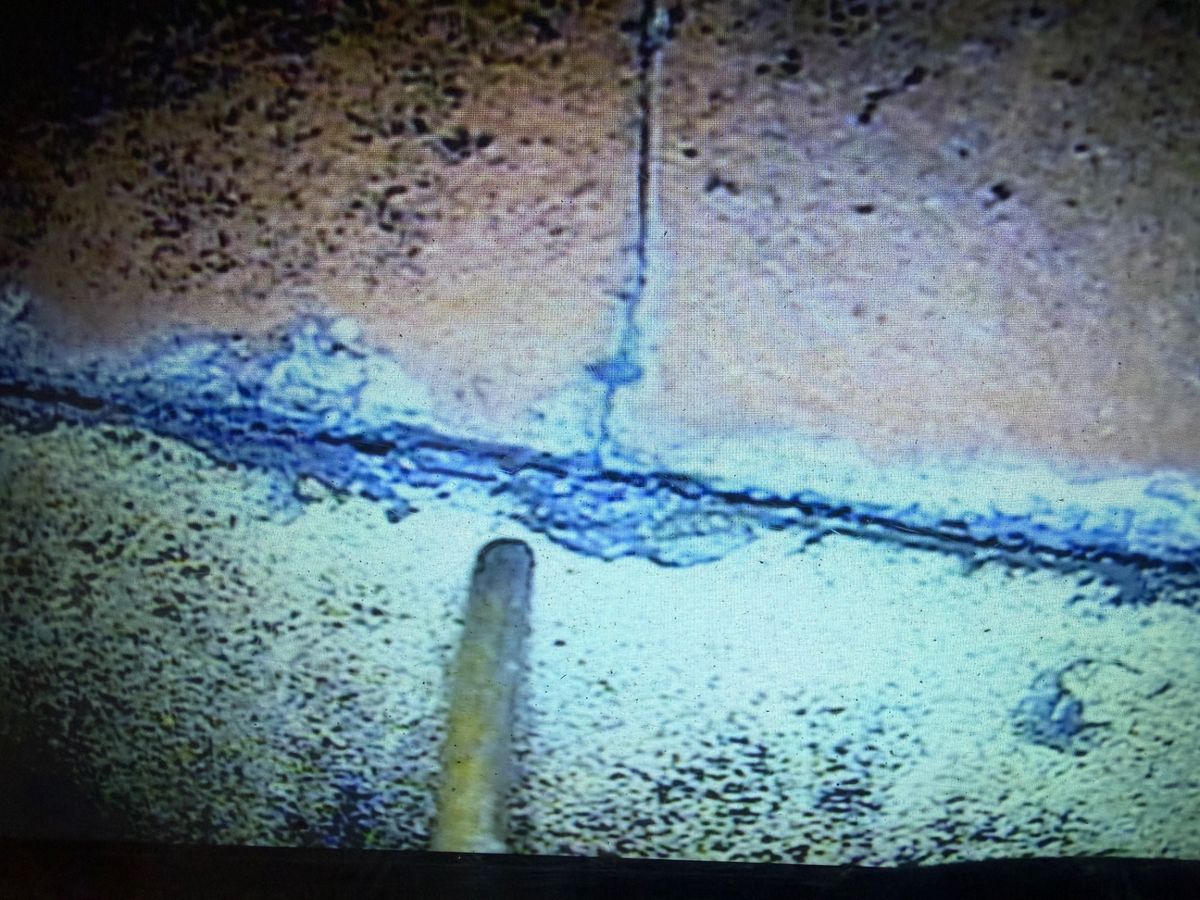
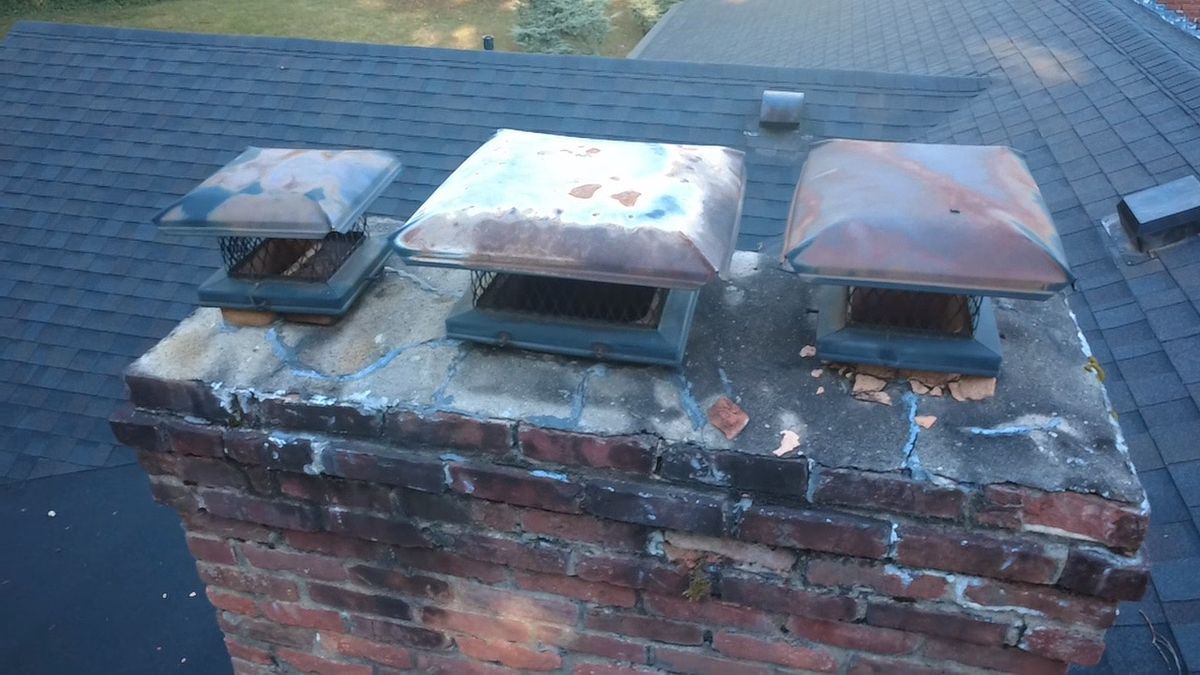
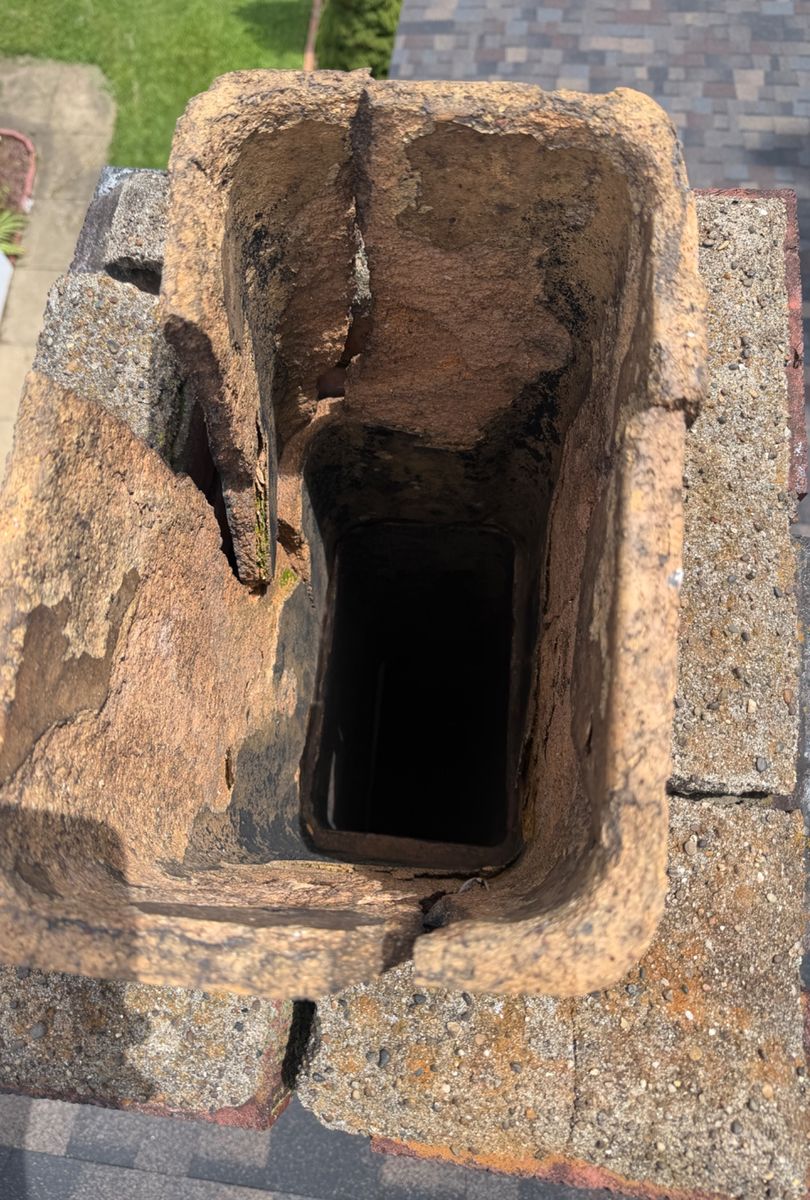
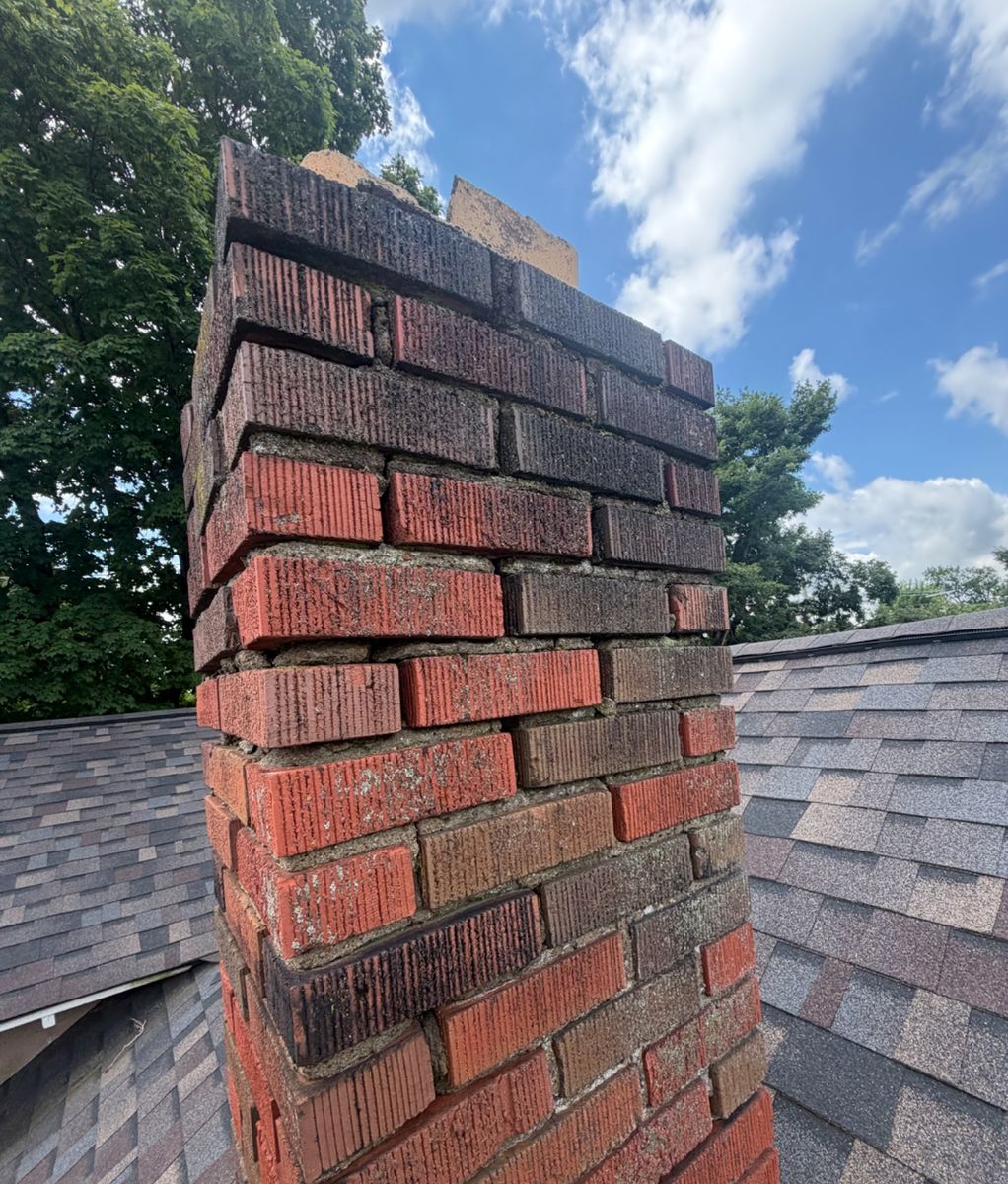
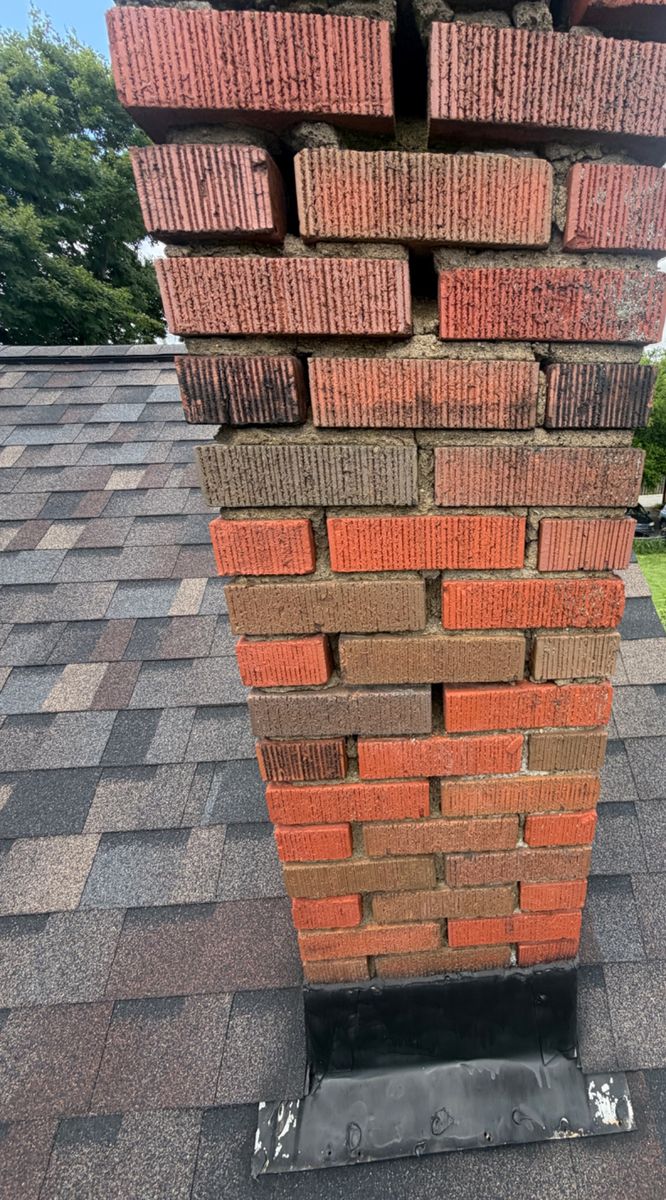
What it means for you
A cracked crown is the most common thing we see in St. Matthews. It is a smaller fix when you catch it early. Left alone, water gets into the brick and the flue, and the repair gets bigger every winter.
Cracks or open joints in the flue tiles matter more. The flue keeps heat and smoke inside the chimney. When tiles are cracked or joints are open, we ask you not to use the fireplace until the flue is repaired or relined.
If your chimney also vents a gas water heater, we check that flue's size and condition too, since an old flue that is too big or wet does not draft the way it should. NFPA 211, the national standard for chimneys, calls for an inspection once a year.
Want us to take a look at yours?
Questions we hear in St. Matthews
What is the most common chimney problem in St. Matthews?
The crown. In 7 St. Matthews inspections, 6 crowns had no overhang or slope to shed water and 5 were cracked or broken. Many crowns here were finished with a thin layer of mortar instead of a real poured concrete cap, and that thin layer cracks and holds water. It is a smaller fix when you catch it early.
Can I use my fireplace if the flue tiles are cracked?
We ask you not to. The flue keeps heat and smoke inside the chimney. When tiles are cracked or the joints between them are open, the fireplace should not be used until the flue is repaired or relined.
How often should a St. Matthews chimney be inspected?
Once a year. NFPA 211, the national standard for chimneys, calls for an inspection once a year. If your chimney also vents a gas water heater, we check that flue's size and condition too.
Not sure what your chimney is telling you? Try our chimney problem diagnosis guide, or browse all of our inspection findings.
What homeowners say about working with us
“The cap installation went smoothly and while already on the roof they checked the crown for any cracking. Found a small crack that hadn't been there last year. Sealed it while up there. That kind of attention while already on site saves a separate visit.”
“we had 3 different chimney companies give us different opinions on the same chimney. one said it was fine, one said it needed a full rebuild, one said something in between. chimney experts was the 4th visit and was the most specific about what was actually wrong and why. that specificity is what finally let us make a decision”