
Chimney problems we find in Lyndon and Hurstbourne, Louisville
Documented by David York, Owner
This page is based on 7 completed Chimney Experts inspections in Lyndon and Hurstbourne. The photos are from those inspections, and nothing in them identifies a home.
Lyndon and Hurstbourne are full of brick homes from the 1950s, 60s and early 70s. The homes we checked here with a known build year went up between 1953 and 1972. Most had a brick fireplace or a brick chimney, and one had a factory-built fireplace.
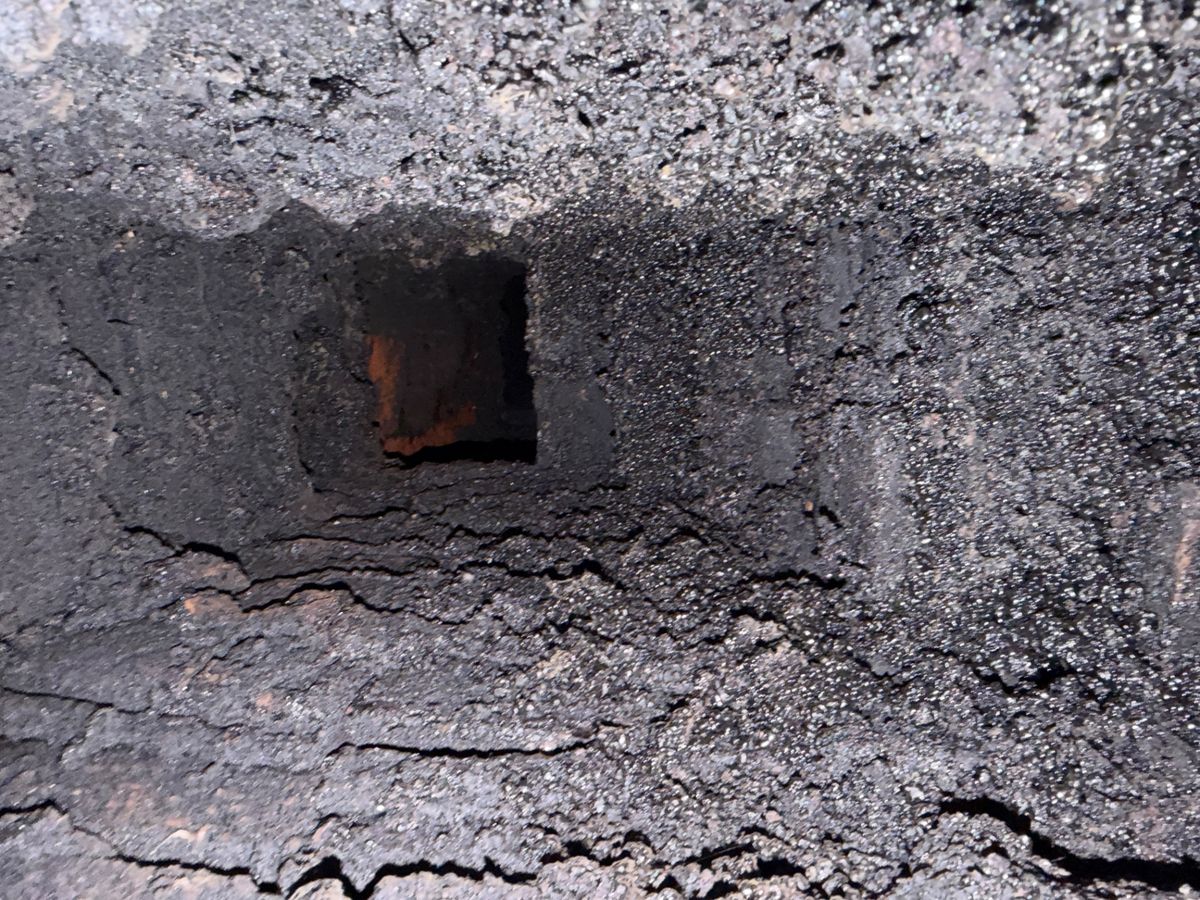
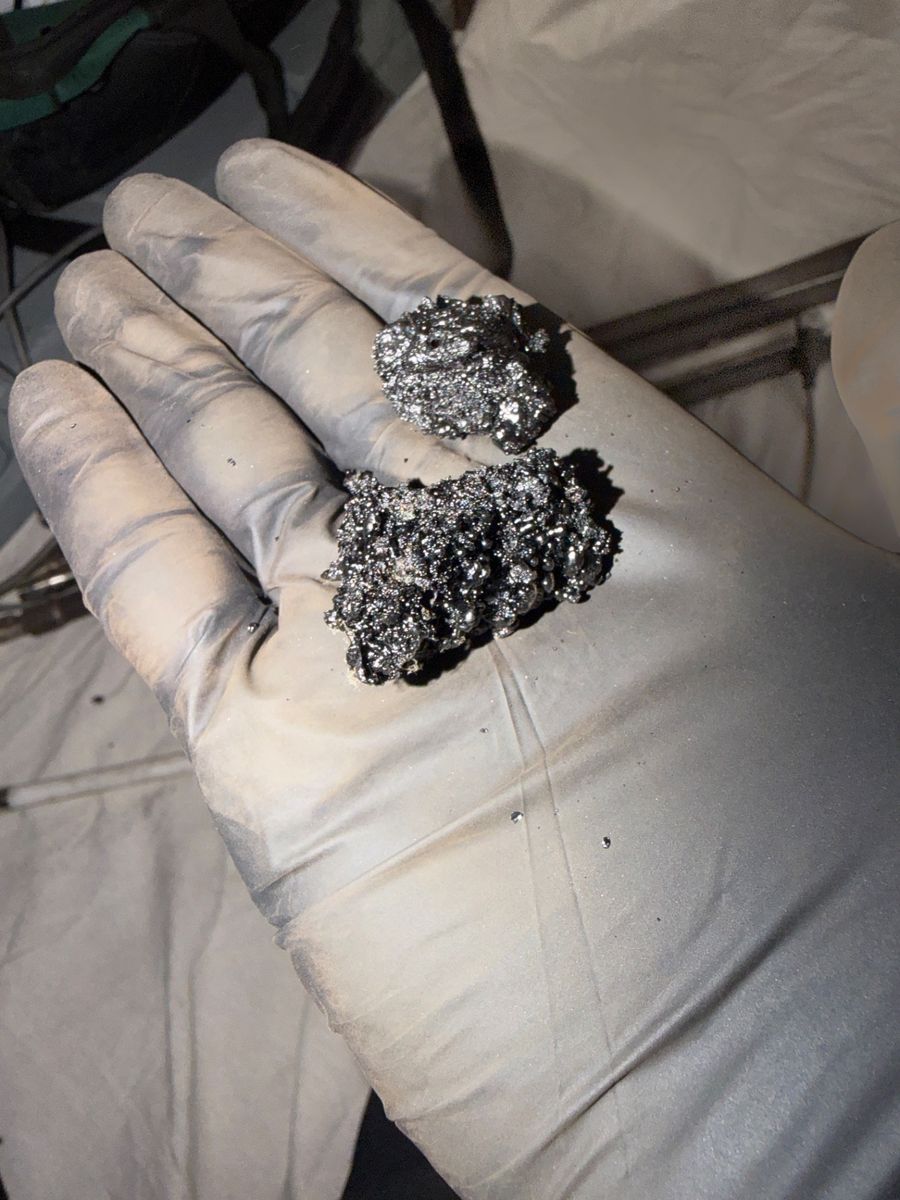
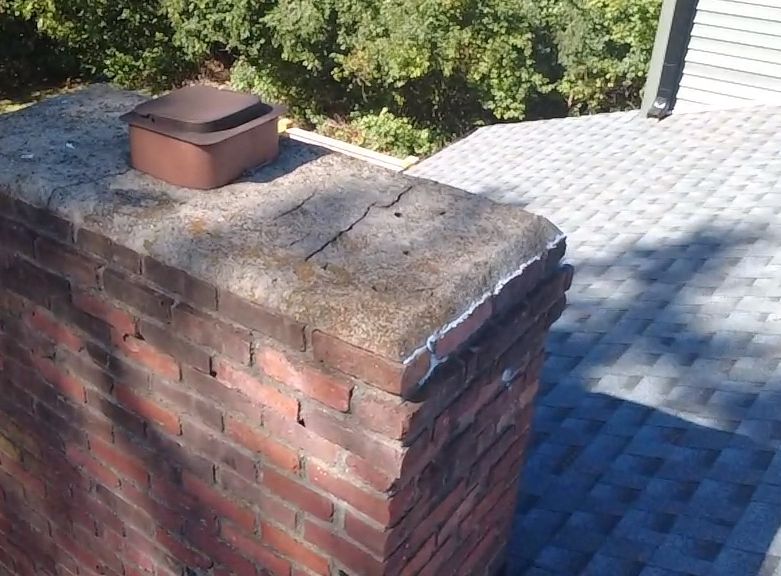
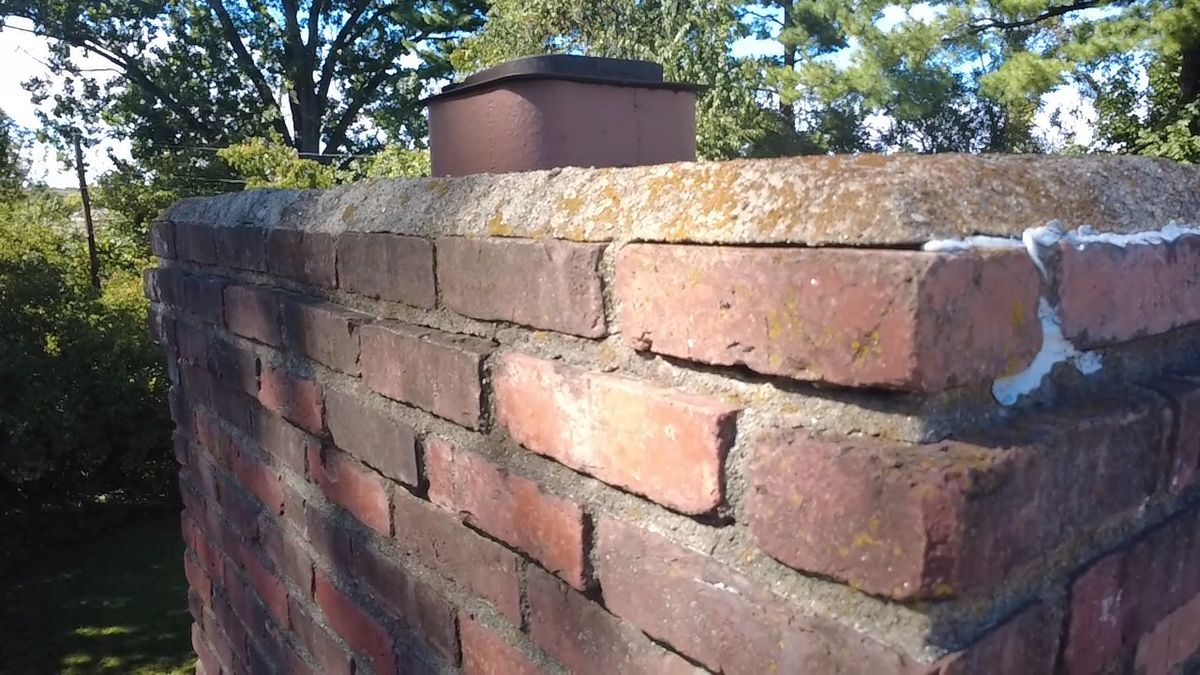
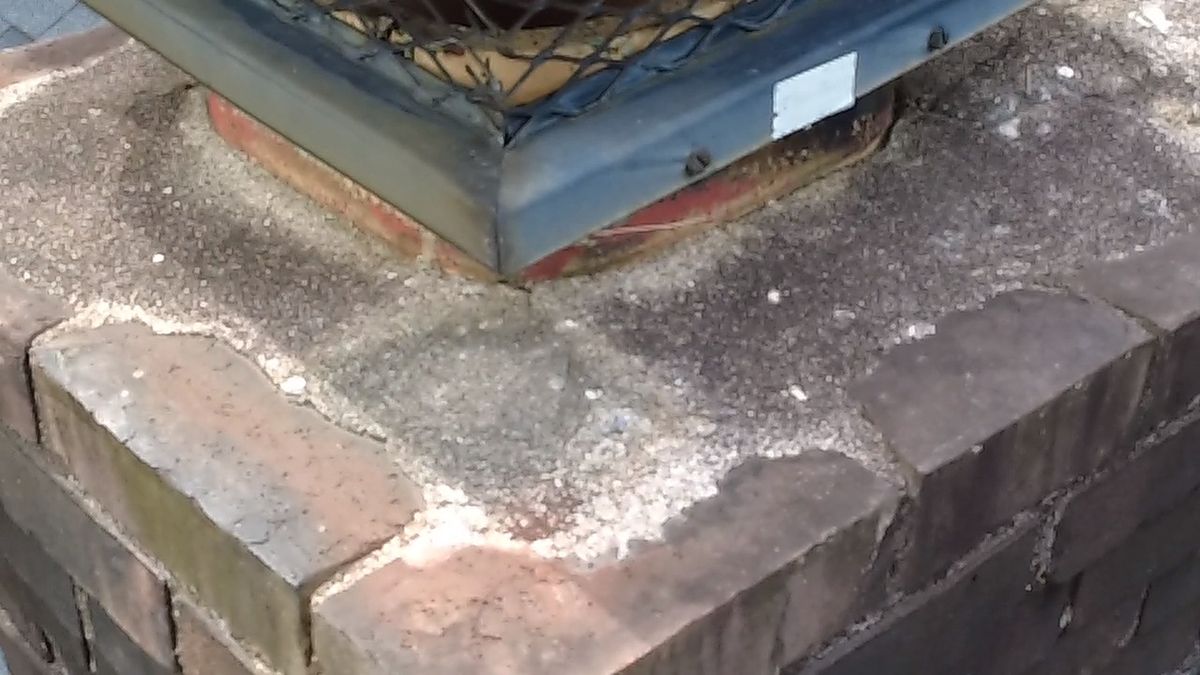
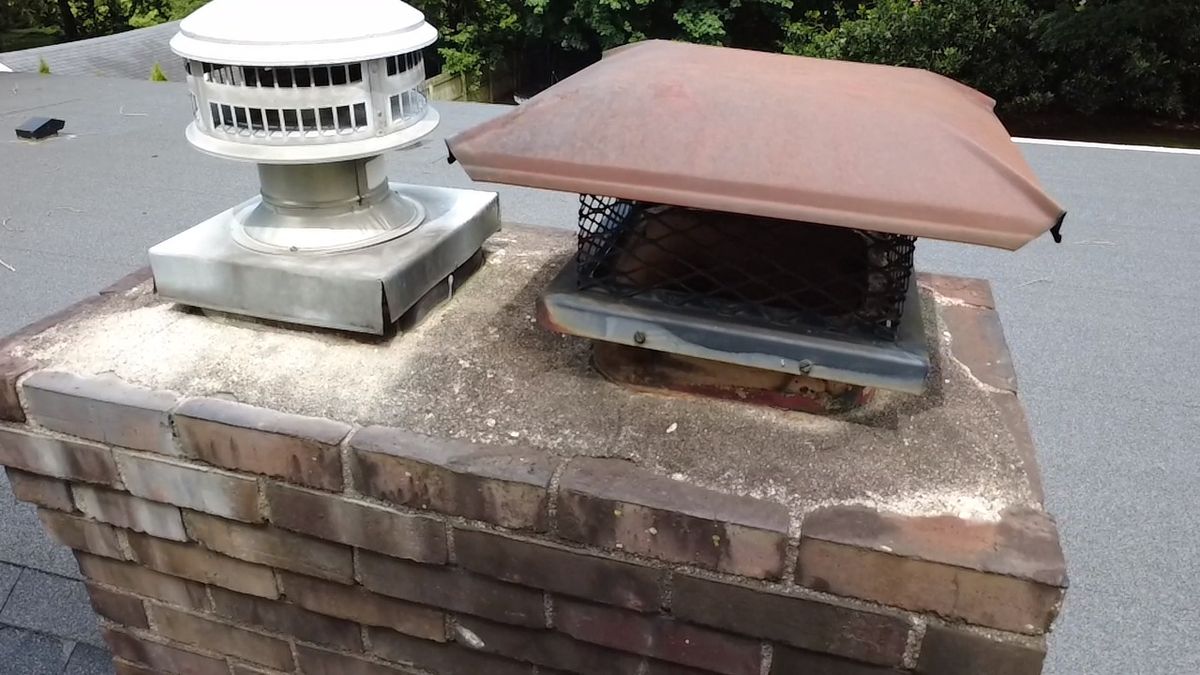
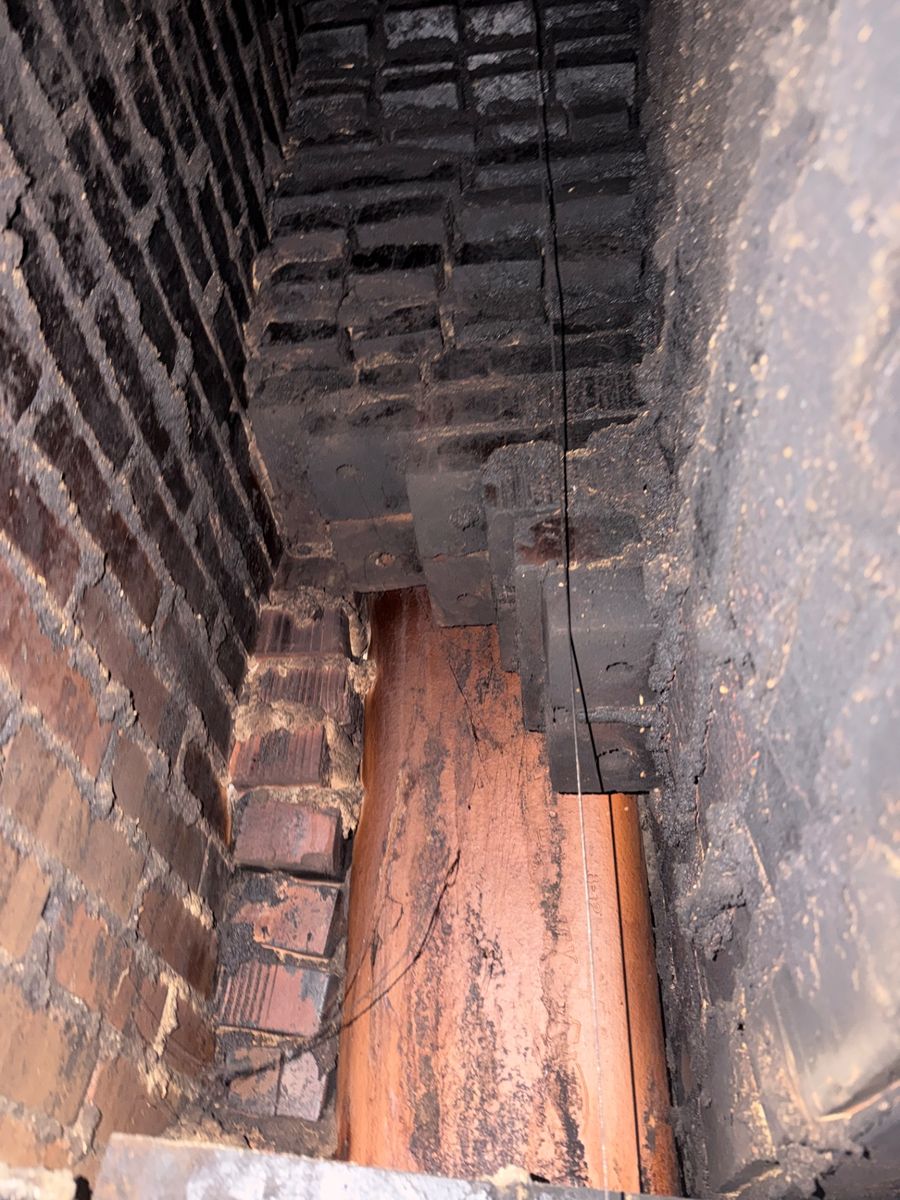
At 50 to 70 years old, these chimneys are at the age where the crown on top gives out. Crowns from this time were often poured flat and tight against the flue tile, so they hold water and crack. Inside, the smoke chamber above the damper was often left rough, and creosote sticks to rough brick. In one home we found heavy, puffy creosote in the smoke chamber, the kind left behind after creosote has already burned.
This page shows what we found in 7 inspections in Lyndon and Hurstbourne, with real photos from those chimneys.
What we found in 7 Lyndon and Hurstbourne inspections
- A crown poured tight against the flue tile with no gap4 of 7
- A crown that holds water4 of 7
- A crown with no overhang4 of 7
- A cracked or broken crown3 of 7
- A rough, uncoated smoke chamber3 of 7
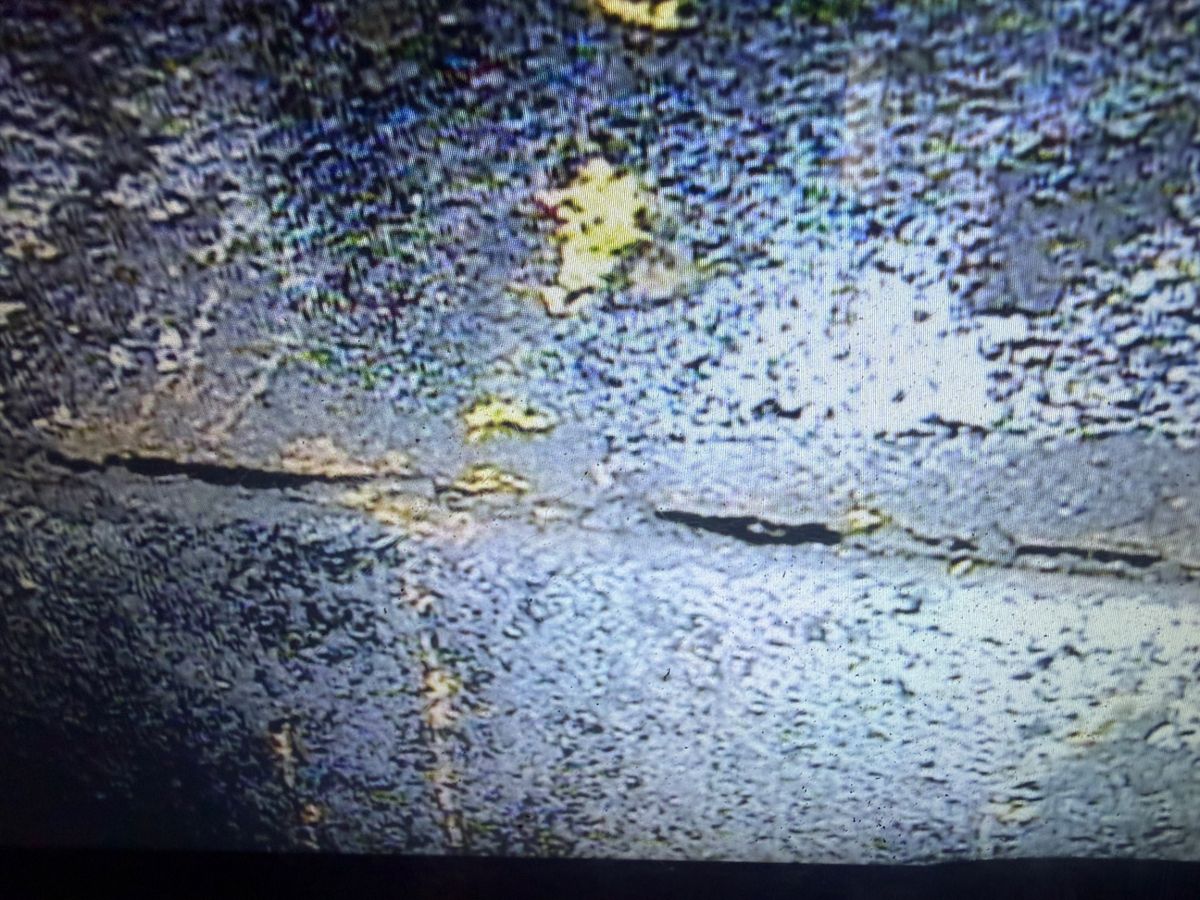
- Open mortar joints between flue tiles3 of 7
- Cracked clay flue tiles2 of 7
- Scorch marks inside the flue2 of 7
- Failed caulk or sealant on the chimney2 of 7
Photos from these inspections
What it means for you
Puffy, glossy creosote is the one to act on. It means creosote in that chimney has burned before, and it can burn again. That chimney needs a professional cleaning and a close look at the flue before the next fire.
Crown problems here are common. A crown that is flat, tight to the tile and cracked should be rebuilt or repaired so water runs off instead of soaking in. Open joints between flue tiles let smoke reach places it should not, so those get repaired, or the flue gets a new liner. NFPA 211, the national standard for chimneys, calls for an inspection once a year.
Want us to take a look at yours?
Questions we hear in Lyndon and Hurstbourne
What does puffy, glossy creosote in my chimney mean?
It means creosote in that chimney has burned before, and it can burn again. That chimney needs a professional cleaning and a close look at the flue before the next fire.
Why do Lyndon and Hurstbourne crowns crack?
Crowns from the 1950s through the early 70s were often poured flat and tight against the flue tile, so they hold water and crack. In 7 inspections here, 4 crowns were poured tight against the tile, 4 held water and 4 had no overhang. A crown like that should be rebuilt or repaired so water runs off instead of soaking in.
What happens if the joints between my flue tiles are open?
Open joints between flue tiles let smoke reach places it should not, so those get repaired, or the flue gets a new liner. NFPA 211, the national standard for chimneys, calls for an inspection once a year.
Not sure what your chimney is telling you? Try our chimney problem diagnosis guide, or browse all of our inspection findings.
What homeowners say about working with us
“The cap installation went smoothly and while already on the roof they checked the crown for any cracking. Found a small crack that hadn't been there last year. Sealed it while up there. That kind of attention while already on site saves a separate visit.”
“we had 3 different chimney companies give us different opinions on the same chimney. one said it was fine, one said it needed a full rebuild, one said something in between. chimney experts was the 4th visit and was the most specific about what was actually wrong and why. that specificity is what finally let us make a decision”