
Chimney problems we find in the Highlands, Louisville
Documented by David York, Owner
This page is based on 6 completed Chimney Experts inspections in the Highlands. The photos are from those inspections, and nothing in them identifies a home.
The Highlands is one of the oldest parts of Louisville. The homes we checked here were built between 1905 and 1937, so these chimneys are about 90 to 120 years old. Most of our Highlands visits were checks of the outside of the chimney, and one chimney was not being used at all.
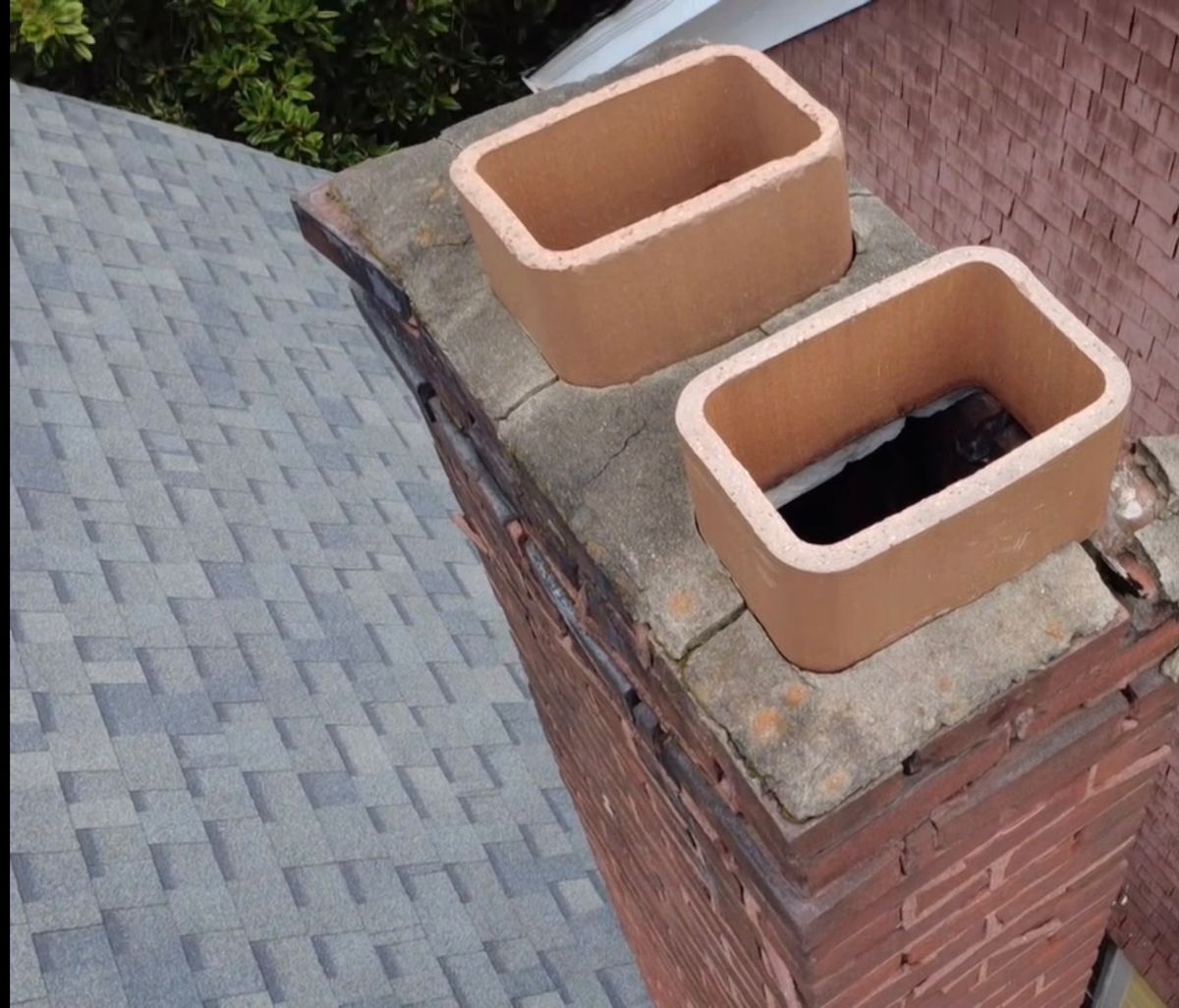
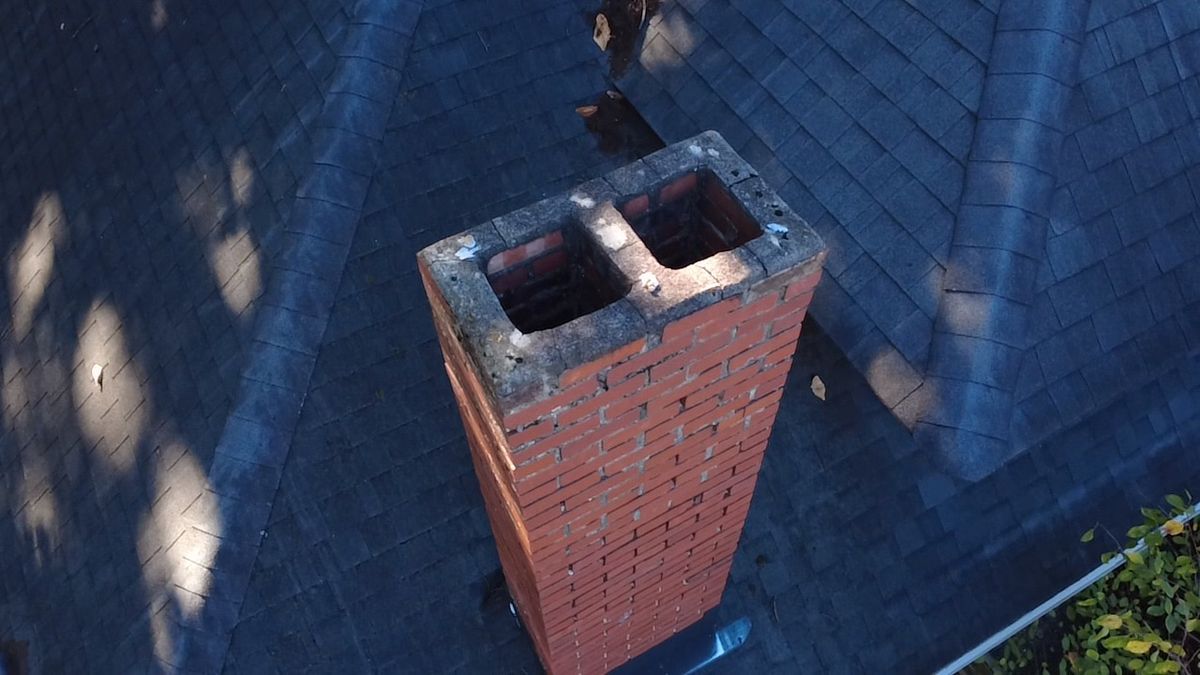
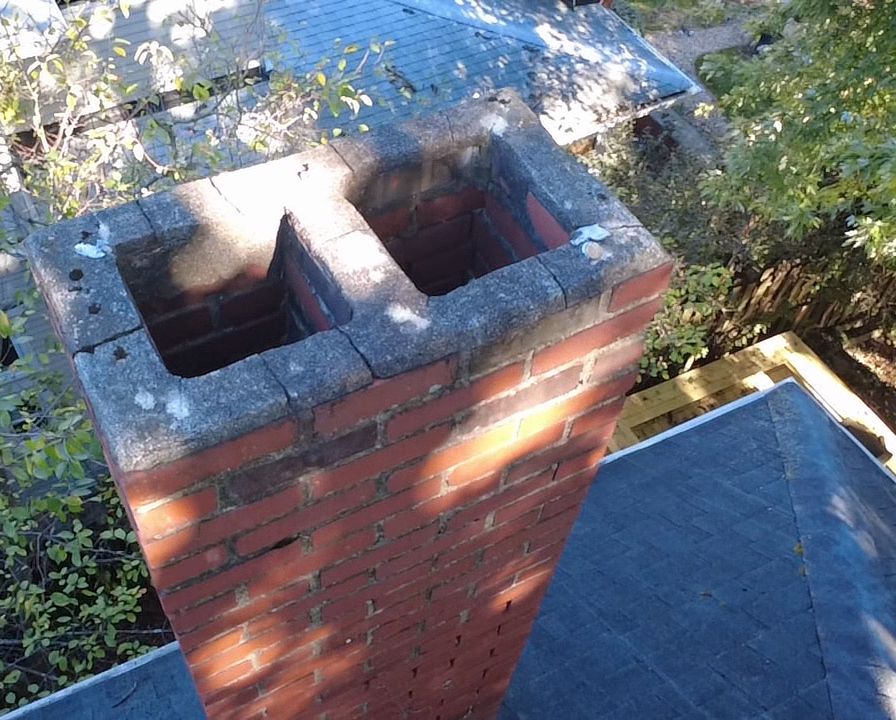
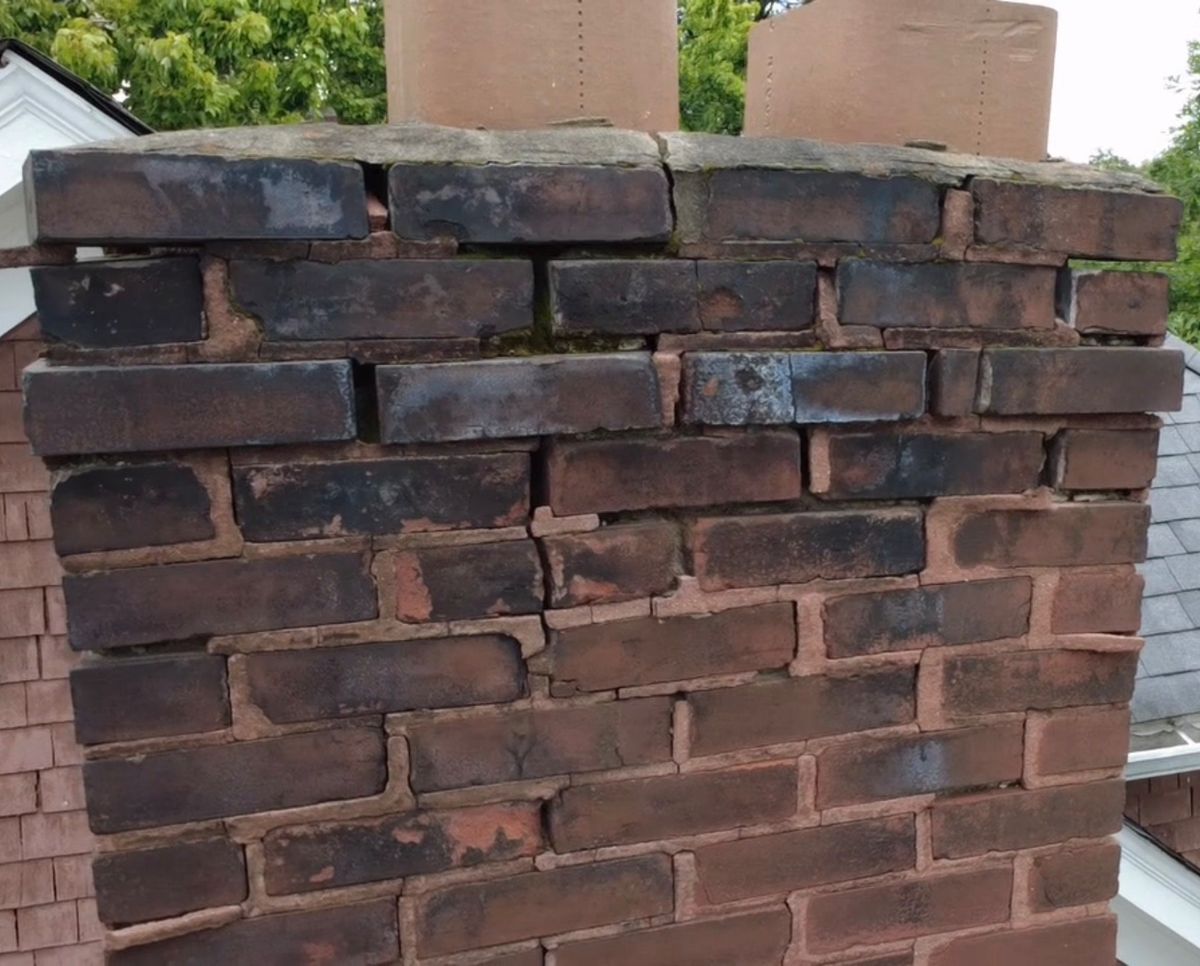
Brick chimneys this old were often built with no flue liner. Back then that was normal. Today the liner is what keeps heat and gases inside the chimney. Many of these chimneys also have no cap, so rain, leaves and animals get straight in. On top, the crowns are often thin and flat, so water sits on them and works down into the brick. The mortar between the bricks wears out too.
This page shows what we found in 6 Highlands inspections, with real photos from those chimneys and nothing that points to a house.
What we found in 6 Highlands inspections
- A cracked or broken crown5 of 6
- A crown that holds water5 of 6
- Worn or missing mortar on the outside brick5 of 6
- No chimney cap4 of 6
- No flue liner3 of 6
- Signs of animals getting in3 of 6
- A crown that is too thin3 of 6
- A crown with no overhang3 of 6
- Flashing problems at the roof2 of 6
Photos from these inspections
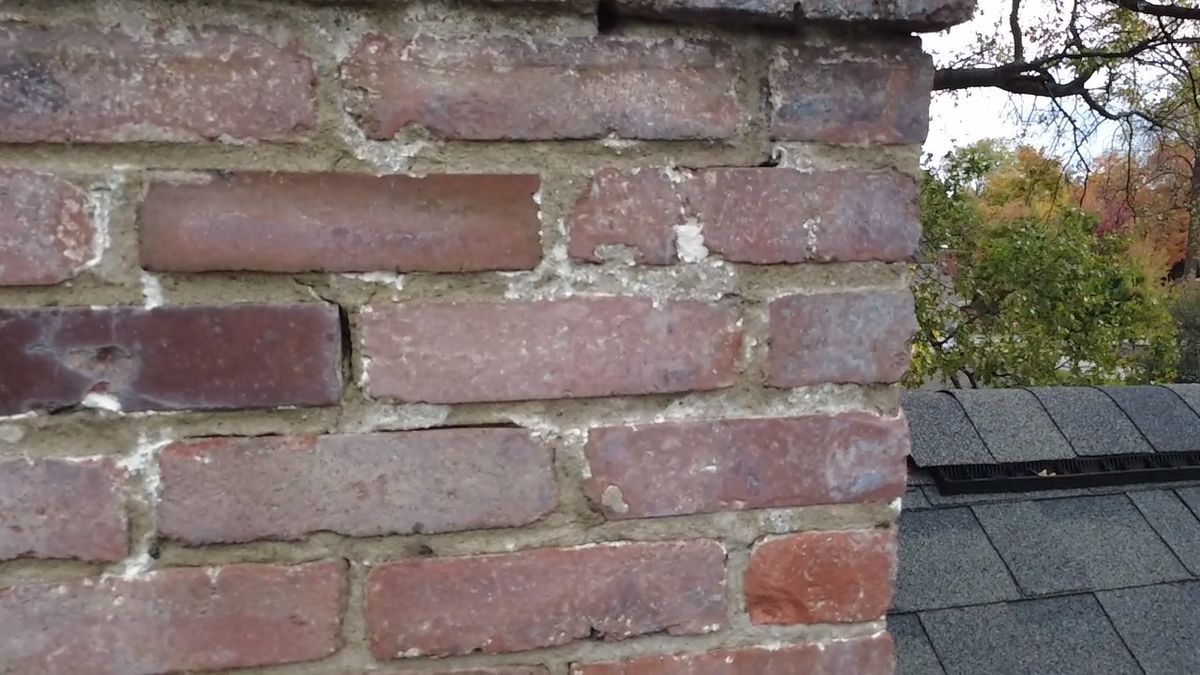
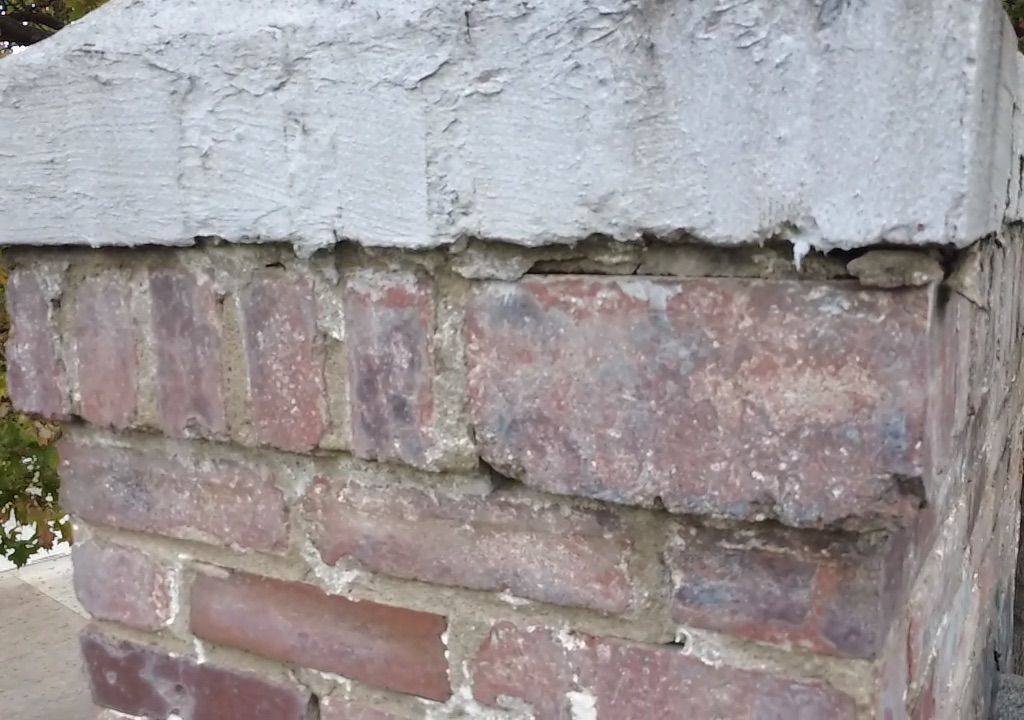
What it means for you
Most of what we find in the Highlands starts with water. A missing cap, a thin crown and worn mortar all let rain into old brick. Fixing the top of the chimney first, with a cap, a solid crown and new mortar in the joints, protects everything below it.
If your chimney has no liner and you want to use the fireplace, or vent a furnace or water heater into it, it needs a liner first. If the chimney is not in use, a cap and a sound crown still keep water and animals out. NFPA 211, the national standard for chimneys, calls for an inspection once a year.
Want us to take a look at yours?
Questions we hear in the Highlands
What chimney problems are most common in the Highlands?
Water problems at the top of the chimney. In 6 Highlands inspections, 5 crowns were cracked or broken, 5 held water, 5 chimneys had worn or missing mortar on the outside brick and 4 had no cap. A missing cap, a thin crown and worn mortar all let rain into old brick.
My Highlands chimney has no flue liner. Can I still use the fireplace?
Not until it has a liner. Brick chimneys this old were often built with no flue liner, which was normal back then. Today the liner is what keeps heat and gases inside the chimney, so if you want to use the fireplace, or vent a furnace or water heater into the chimney, it needs a liner first.
What if I never use my chimney?
It still needs a cap and a sound crown. Those keep water and animals out of the chimney even when it is not in use. NFPA 211, the national standard for chimneys, calls for an inspection once a year.
Not sure what your chimney is telling you? Try our chimney problem diagnosis guide, or browse all of our inspection findings.
What homeowners say about working with us
“We had the chimney waterproofed after moisture infiltration was identified during the inspection. Got a clear explanation of how the waterproofing product works and how long it should last. The application was done efficiently and the brickwork looks good. We've had 3 good rainstorms since with no new moisture inside.”
“we had 3 different chimney companies give us different opinions on the same chimney. one said it was fine, one said it needed a full rebuild, one said something in between. chimney experts was the 4th visit and was the most specific about what was actually wrong and why. that specificity is what finally let us make a decision”